

Gaza stabilization force: Israel insists on full veto power
Netanyahu asserts Israel’s authority in Gaza security decisions
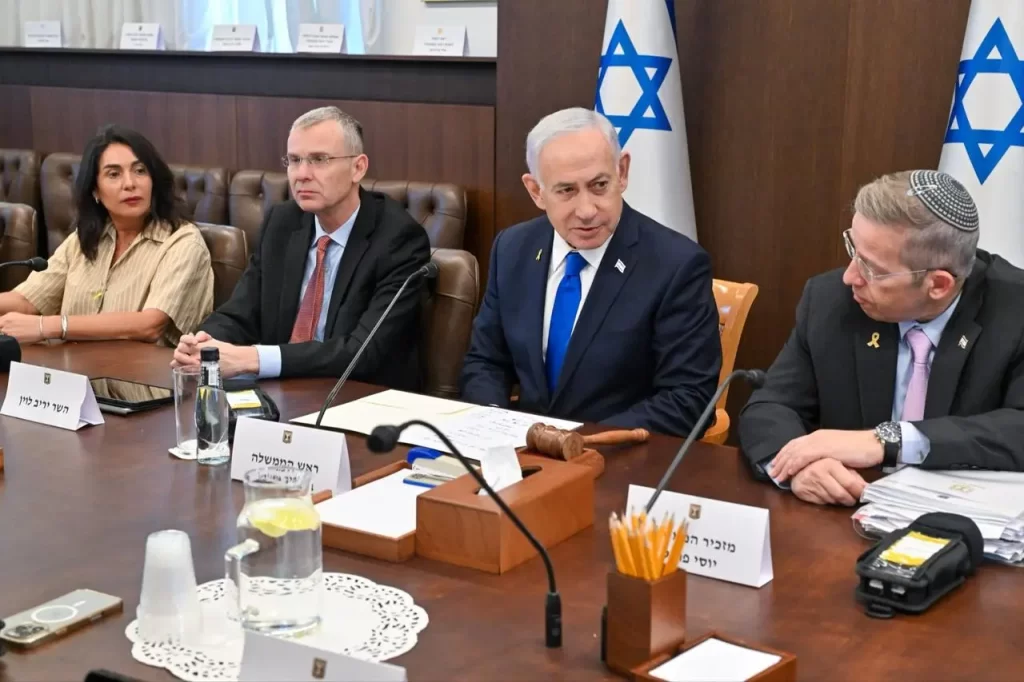
Israeli Prime Minister Benjamin Netanyahu said Israel will decide which foreign contingents can join the Gaza stabilization force, keeping national security under Israeli control.
“We control our security and decide which international forces are acceptable. This principle will continue,” Netanyahu told his cabinet.
He added that the policy “has been accepted by the United States,” emphasizing Israel’s right to defend itself and determine its future.
The remarks underline Israel’s plan to retain veto power over the force’s members — a stance directly affecting Turkey, which wants to send troops to Gaza.
Turkey signals readiness to assist Gaza reconstruction
Ankara has confirmed its readiness to support peacekeeping in Gaza. The Turkish Defense Ministry said the Turkish Armed Forces (TSK) are prepared to join any mission approved under international law.
Officials noted that Turkey has already set up a Civil-Military Coordination Center to help form the Gaza stabilization force, which would secure borders, protect civilians, deliver aid, and train local security.
“Turkey, one of the four ceasefire guarantors, continues talks with partner countries,” the ministry stated. The TSK’s peacekeeping record in the Balkans and Somalia strengthens its case for participation.
Strained ties complicate Turkish participation
Relations between Turkey and Israel remain tense. Netanyahu has hinted at opposing any Turkish role in Gaza.
President Recep Tayyip Erdoğan has strongly criticized Israel’s Gaza operations, calling them “genocidal” and suspending trade and diplomatic ties.
Yet Ankara helped broker the ceasefire, persuading Hamas to accept the U.S.-backed plan. Erdoğan said, “We will rebuild Gaza together. This requires coordination among Turkey, Egypt, and Gulf nations.”
Washington balances support and diplomacy
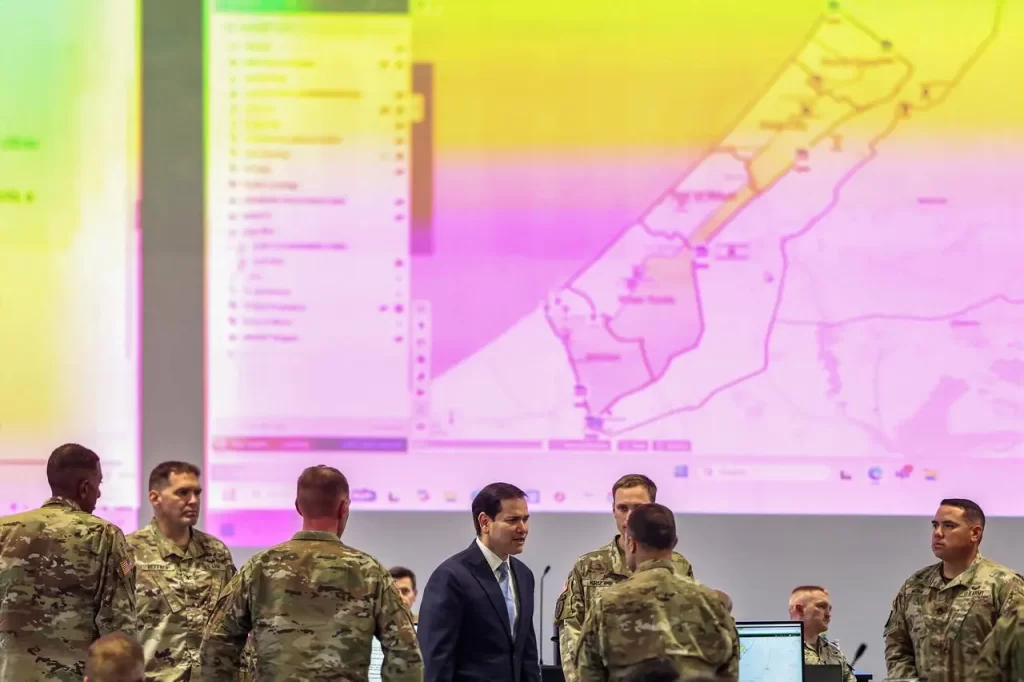
In Jerusalem, U.S. Secretary of State Marco Rubio said the Gaza stabilization force must include “countries Israel is comfortable with.” He avoided commenting on Turkey directly.
The Trump administration will not send U.S. troops but seeks regional partners such as Egypt, Indonesia, and Gulf states.
Vice President JD Vance said Washington “won’t force anything on Israel” but sees Turkey’s role as “constructive.” He praised Ankara’s diplomatic work since the ceasefire began.
Challenges ahead for Gaza’s ceasefire plan
The first stage of President Donald Trump’s 20-point Gaza ceasefire framework began on October 10. It includes a prisoner swap and initial governance steps.
Implementation remains uncertain. Hamas has not agreed to disarm, and internal unrest continues.
According to Gaza’s Health Ministry, more than 68,200 people have died and 170,300 have been injured since October 2023, showing the urgent need for lasting peace.
For deeper context: read Gaza Topic for ongoing updates.