
Iran protests spread to major cities overnight as demonstrators challenged the government. Reza Pahlavi, son of the ousted shah, urged citizens to organize and seize city centers. Tensions are rising as a nationwide internet blackout enters its second day.
Unrest Challenges Stability
This escalation marks a significant challenge to Iran’s leadership following two weeks of persistent unrest. The events impact millions of citizens and threaten regional stability. International observers and local residents now face an uncertain future as authorities tighten control.
The Pulse of the Streets
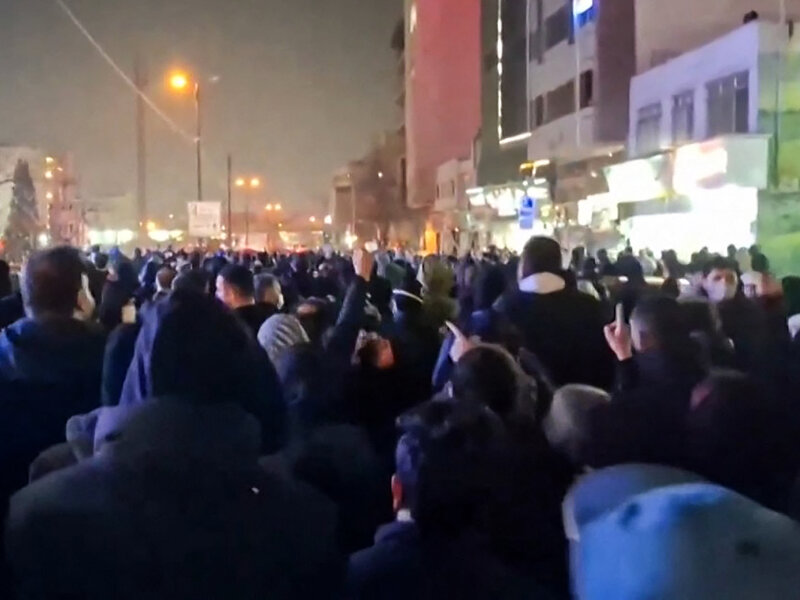
New demonstrations erupted late Friday in Tehran, Mashhad, and Tabriz. Verified videos show crowds chanting against the leadership despite strict security measures.
In Tehran’s Saadatabad district, residents banged pots and honked horns to show support. Similar scenes unfolded in the holy city of Qom and western Hamedan. Some protesters displayed pre-revolution flags, signaling a deep rejection of the current political order.
Opposition and Official Response
Reza Pahlavi praised the turnout from his base in the United States. He called for targeted actions to “seize and hold” city centers this weekend. Pahlavi also suggested his return to Iran might occur soon.
Conversely, Supreme Leader Ayatollah Ali Khamenei remains defiant. He blamed the United States for the unrest and labeled protesters as vandals. Officials vowed that the Islamic Republic would not back down in the face of this pressure.
Humanitarian and Global Risks
Human rights groups report at least 51 deaths during the crackdown so far. Activists fear the ongoing internet shutdown masks further violence against civilians. Nobel laureate Shirin Ebadi warned of potential massacres under the cover of the communications blackout.
Geopolitical tensions are also spiking. U.S. President Donald Trump refused to rule out military action. He warned Iranian leaders against violence, stating that the U.S. would respond with force if necessary.
Implications for the Region
The collision of domestic anger and external pressure creates a volatile environment. The coming days will reveal if the government can restore order without further bloodshed. Will the international community intervene if the crackdown intensifies?