
A Turning Point in Lebanon: Hezbollah Disarmament
Lebanon is approaching a historic agreement to dismantle Hezbollah’s military power. Backed by the United States, the deal proposes a phased withdrawal of Israeli forces from southern Lebanon in return for Hezbollah laying down its arms.
This move could redefine the security dynamics in the Levant. For Turkey, it signals both an opportunity and a challenge, especially in the shifting power and energy equations of the region.
U.S. Diplomacy and Local Resistance
The proposal, crafted by U.S. envoy Tom Barrack, places Hezbollah’s disarmament as the first step. Only afterward would Israeli concessions follow.
This sequencing angers many in Lebanon, particularly Hezbollah’s support base, which sees it as surrendering sovereignty. Despite U.N. reports showing Israel as the primary ceasefire violator, pressure is mounting on Beirut to comply.
Lebanese President Joseph Aoun insists that only state forces should carry weapons. However, critics say the national army lacks the strength to deter Israel, especially as it remains heavily reliant on U.S. military aid.
Energy Politics in the Eastern Mediterranean
Beyond security, energy is central to the disarmament plan. If Hezbollah exits the military scene, it could pave the way for a new gas alliance involving Israel, Cyprus, and Lebanon.
This would enable the development of offshore reserves and pipeline exports to Europe—all without involving Turkey. Ankara has long aimed to be the key energy transit hub between the East Mediterranean and European markets.
A functioning trilateral bloc would challenge Turkey’s regional ambitions and shift economic influence away from Ankara.
Netanyahu’s Strategic Use of Energy
Israeli Prime Minister Netanyahu is already demonstrating how energy deals can be used for political leverage. His recent threat to cancel a gas deal with Egypt underscores Israel’s readiness to link natural gas exports with diplomatic compliance.
A similar approach could be applied to Lebanon. Israel may tie gas cooperation to the implementation of the disarmament of Hezbollah, further increasing its control over Lebanon’s future.
Turkey’s Regional Strategy at Stake
Ankara sees the Levant as vital to its geopolitical strategy. The fall of Hezbollah as a military actor might weaken Iran’s grip, a welcome shift for Turkey. But it could also strengthen a Western-Israeli axis that excludes Ankara.
This new alignment—involving Washington, Tel Aviv, Nicosia, and possibly Beirut—risks marginalizing Turkey in regional negotiations over security and energy.
Ankara’s Past and Present in Lebanon
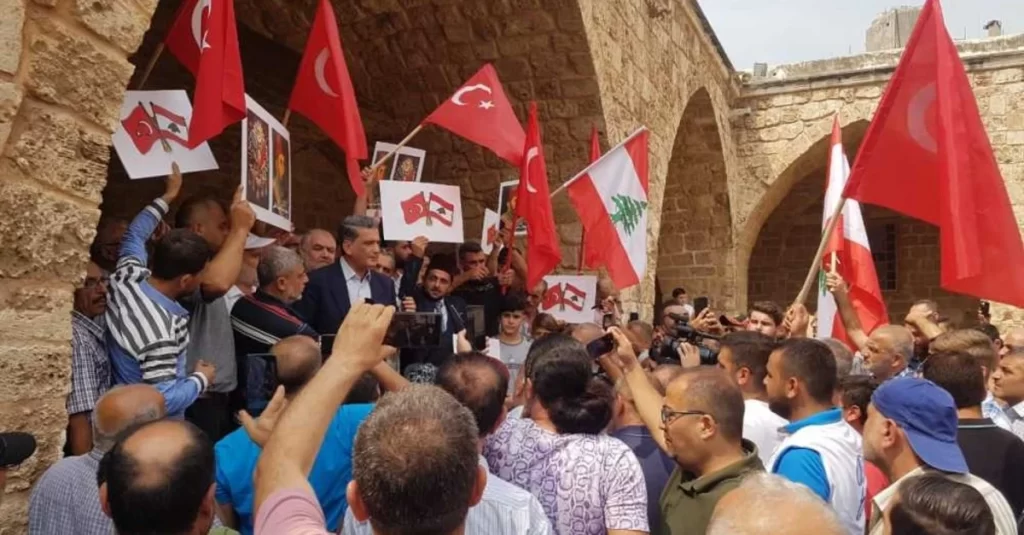
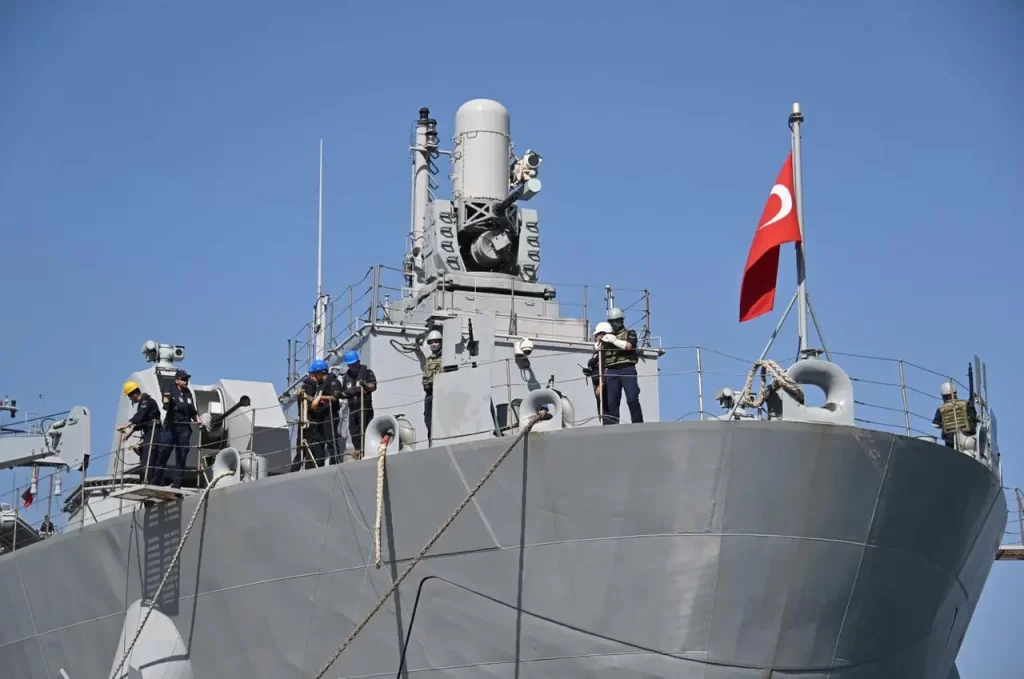
Turkey is not a newcomer in Lebanon. Turkish troops have long served under the U.N. peacekeeping mandate. Ankara has also acted as a mediator during past political crises, such as the 2008 Doha Agreement.
Read the latest article of Turkey Tribune
Previously, Turkey attempted to create a free trade and visa-free zone with Lebanon, Syria, and Jordan. While disrupted by the Syrian conflict, this vision could regain traction as regional dynamics shift.
Turkey has also proposed exporting electricity to Lebanon, signaling its intent to expand regional economic ties.
Policy Recommendations for Turkey
Experts recommend four pillars for Ankara’s renewed Lebanon strategy:
- Sustain cultural and soft power outreach.
- Strengthen bilateral trade and investment.
- Counterbalance Israeli and Iranian influence.
- Deepen ties between Beirut and Damascus.
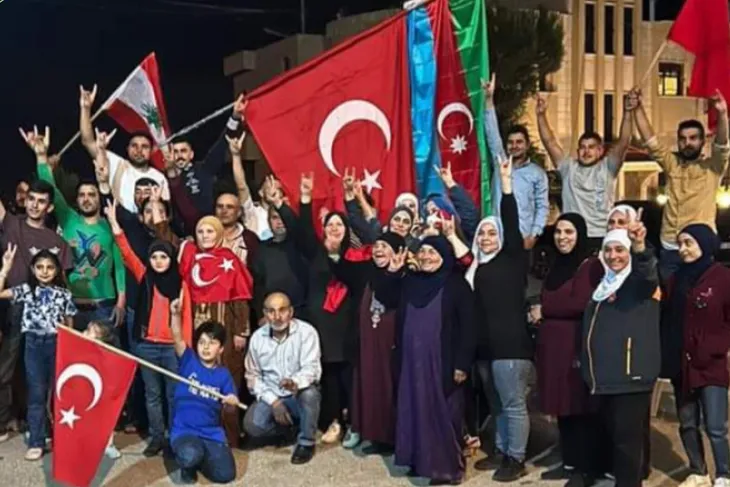
This aligns with Lebanon’s new leadership, which enjoys backing from both Ankara and Gulf states. Early diplomatic and economic initiatives could allow Turkey to shape post-disarmament Lebanon.
Northern Lebanon: A Strategic Entry Point
Turkey sees northern Lebanon as a gateway for influence. Tripoli’s deep-sea port could become a trade hub, especially for Syria and Iraq. Turkish companies are ready to invest in its modernization.
Qlayaat airport and the dormant Beddawi refinery also offer strategic opportunities. Reviving these sites could integrate Turkey into Lebanon’s future energy and logistics networks.
These projects would also serve Ankara’s broader strategy of building economic and infrastructural ties that rival Western initiatives.
A Narrowing Window for Action
Although full disarmament of Hezbollah remains uncertain, the momentum is clear. Lebanon is under growing pressure to comply with Western and Israeli demands, especially in the energy sector.
Turkey must act swiftly to avoid being sidelined. That includes boosting diplomatic ties, investing in infrastructure, and offering alternatives to Western aid. Only through proactive engagement can Turkey retain influence in the evolving regional order.