
A Manufactured Crisis: Debunking the Indian Boycott Narrative
In recent days, several Indian media outlets have circulated headlines suggesting a sweeping boycott of Turkey. Triggered by Ankara’s diplomatic support for Pakistan during rising tensions with New Delhi, these stories claim that Indian tourists are canceling trips in large numbers. But do these claims reflect a meaningful trend, or are they part of a larger propaganda effort?
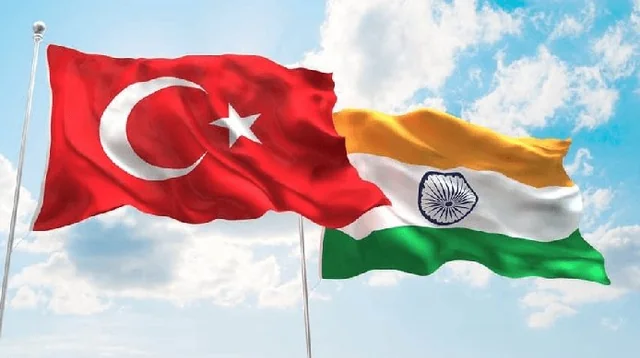
The truth is simple: the so-called boycott has no significant impact on Turkey’s tourism economy. The narrative, driven by a handful of politically motivated sources, collapses under scrutiny. Real data tells a much different story.
Turkey’s Tourism Power: The Numbers Tell All
Turkey welcomed over 60 million tourists in 2024, making it one of the world’s top travel destinations. According to the Ministry of Culture and Tourism, the majority of visitors came from Russia, Germany, the UK, and Middle Eastern countries. In stark contrast, only 330,000 tourists arrived from India that year—just 0.55% of the total.
To put it plainly, India does not constitute a core market for Turkey’s tourism industry. Even if cancellations occurred, their effect is statistically negligible. Statements claiming a “mass boycott” are not only exaggerated but misrepresent the structure and diversity of Turkey’s global tourist base.
Who Are the “Indian” Tourists?
A critical detail often ignored is that the majority of Indian passport holders visiting Turkey are not residents of India. Most of them live and work in the Gulf region (UAE, Qatar, Kuwait) or in Europe, particularly the UK and Germany. These travelers are often Muslim professionals and families, who hold a deep cultural and spiritual admiration for Turkey and its people.
They are not part of the ultra-nationalist or anti-Muslim segments fueling the boycott rhetoric. On the contrary, many of these visitors actively support Turkey’s geopolitical positions and view it as a beacon of Islamic heritage and hospitality.
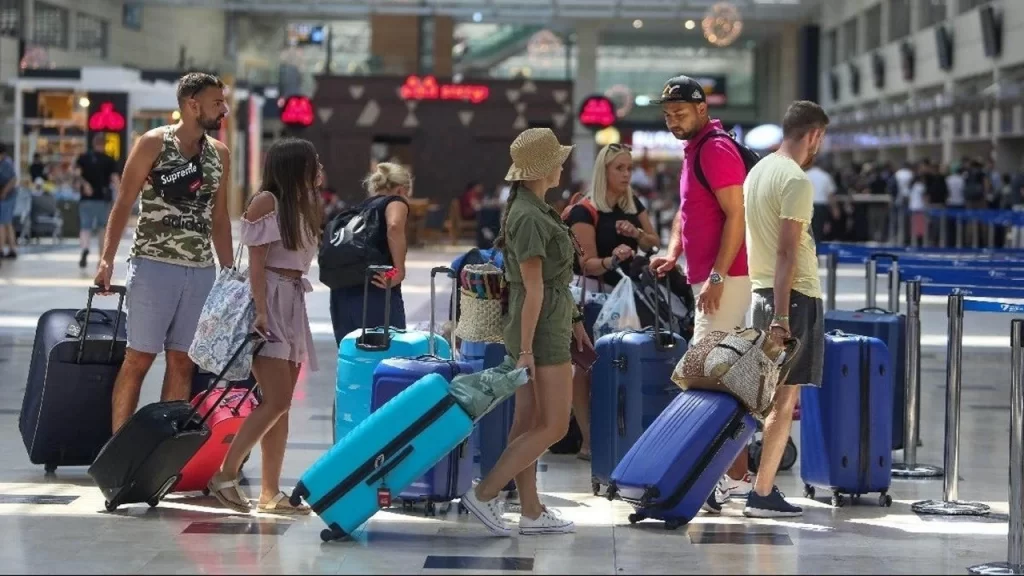
Additionally, Turkey maintains a selective visa policy toward Indian citizens. Tourists from India must go through a rigorous visa application process. As a result, travel is limited to those with genuine intentions and sufficient qualifications. This further weakens the claim that vast numbers of Indian tourists are suddenly withdrawing en masse.
Media Distortion and Political Propaganda
Some Indian news portals, including mainstream platforms, have portrayed the boycott as a massive diplomatic backlash against Turkey. Headlines such as “Turkey Begs Indians to Return” are not only misleading, but serve a propagandist agenda. They aim to inflate domestic political narratives while distorting facts.
These articles ignore the complex dynamics of tourism and instead frame the issue through a narrow, nationalist lens. In reality, no official call for a travel ban has been issued by the Indian government, and major travel agencies continue offering Turkey as a destination.
The rhetoric aligns with rising anti-Muslim sentiment in parts of India’s political spectrum. Turkey’s support for Muslim communities globally—especially in Kashmir and Palestine—has made it a target for such media attacks. But international audiences and informed travelers see through the charade.
A Country Beyond Boycotts: Turkey’s Global Appeal
Turkey is more than a travel destination—it is a cultural powerhouse. From Istanbul’s historic mosques to Cappadocia’s surreal landscapes, the country attracts millions seeking authentic experiences.
Its strategic location, warm hospitality, and diverse attractions make it uniquely positioned to appeal to travelers from across the globe. Importantly, Turkey promotes values of peace, coexistence, and justice rooted in its Islamic heritage, which resonate with many visitors worldwide.
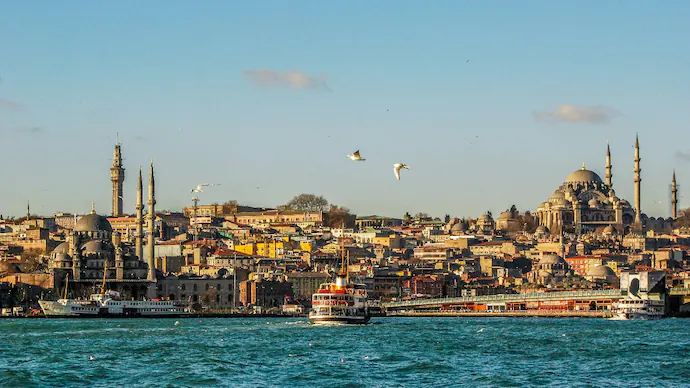
While some media factions seek to undermine this image, the global tourism market continues to place its trust in Turkey. Tourists return not for politics, but for people, culture, and history.
Final Thought: Beyond Manufactured Outrage
The so-called Indian boycott against Turkey is not a genuine crisis—it is a manufactured controversy. Driven by selective outrage and media spin, it attempts to frame a geopolitical narrative at the cost of truth.
The facts remain clear: Turkey’s tourism remains robust, inclusive, and resilient. It is not dependent on one market, and certainly not beholden to propaganda.
International readers should view this issue as part of a broader conversation about media accountability and geopolitical fairness. In a world saturated with misinformation, truth must remain our shared compass.
It seems that the Indian Boycott Cannot Shake Turkey
Recomended Guide: Istanbul Travel Guide: Plan Your Perfect Trip