
Iran’s Participation at OIC Istanbul Meeting Signals Regional Shift
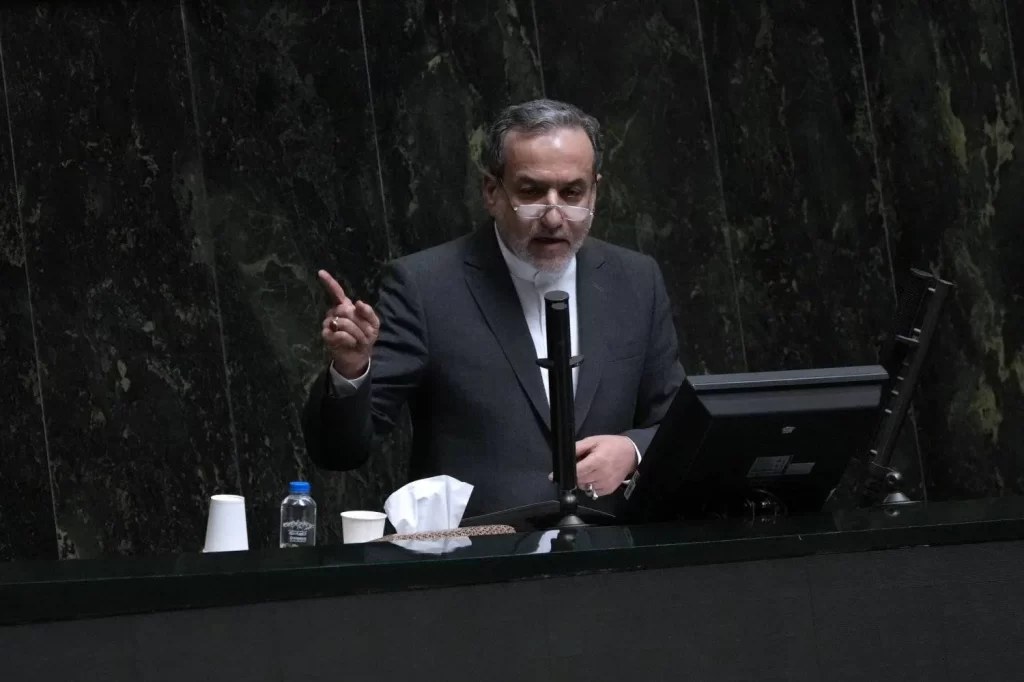
Iranian Foreign Minister Abbas Araghchi is set to attend the OIC Istanbul meeting on June 21. The special session of the Organization of Islamic Cooperation’s 51st Council of Foreign Ministers will focus on the intensifying conflict between Israel and Iran.
Have you read what Nimetullah Yıldırım wrote about Iran months ago?
The Turkish Foreign Ministry confirmed Araghchi’s participation, alongside a high-level delegation. The meeting follows Israel’s latest missile strike on Iran’s Khondab nuclear facility in Arak. That site, which houses a partially built heavy-water reactor, has raised international concerns over its potential to produce weapons-grade plutonium.
Key Nations to Attend Crucial Istanbul Summit
A broad representation of Islamic countries is expected at the Istanbul gathering. The draft list includes foreign ministers from Saudi Arabia, Egypt, Qatar, Pakistan, Indonesia, and Malaysia. Observers such as Turkish Cyprus will also attend.
Countries across North Africa and Central Asia, including Morocco, Tunisia, Jordan, Kazakhstan, and Uzbekistan, are confirmed participants. This high turnout underscores the summit’s importance in shaping a united Muslim stance on Israeli actions.
Iran Criticizes IAEA for Enabling Israeli Strikes
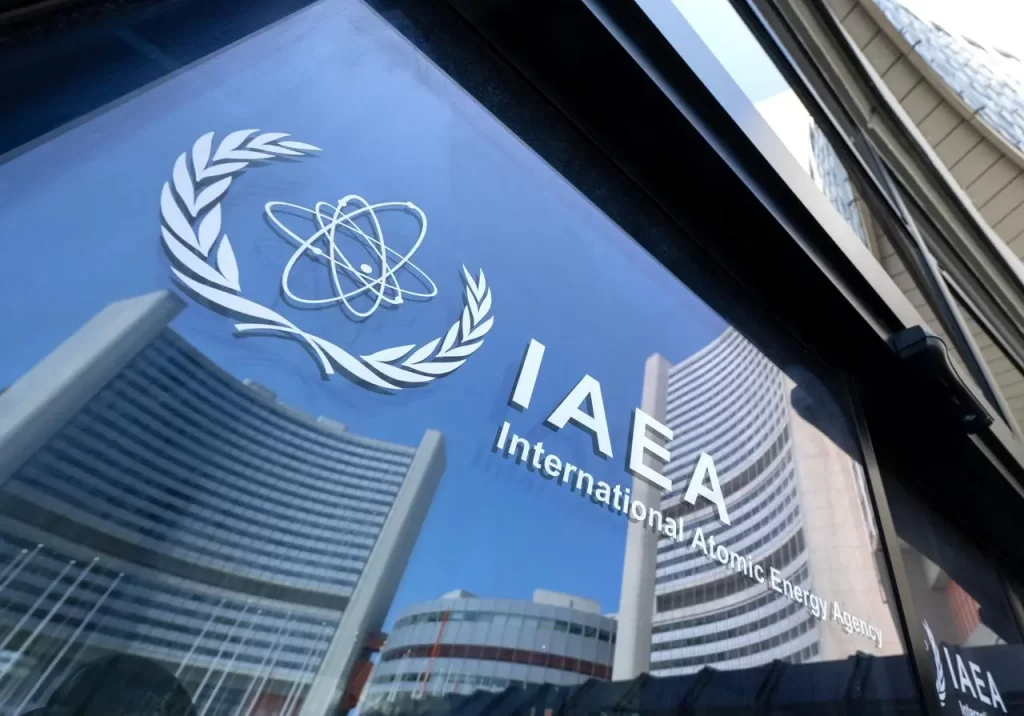
Iranian officials strongly condemned the International Atomic Energy Agency (IAEA) over a recent resolution. Foreign Ministry spokesperson Esmail Baghaei accused the IAEA of enabling Israel’s “unjust war of aggression.”
Baghaei’s criticism followed IAEA Chief Rafael Grossi’s CNN interview, where he denied any systematic Iranian nuclear weapons program. Still, Iran claims the resolution was manipulated by Western powers and used as a pretext for Israel’s attacks.
IAEA Defends Objectivity Despite Tensions
Grossi stated that while the Israeli strikes caused damage, Iran’s enrichment capabilities remain partially intact. He acknowledged setbacks but confirmed that uranium enrichment continues at facilities like Fordo.
The agency maintains it operates independently and aims to prevent nuclear proliferation. Yet Tehran believes recent developments reveal an erosion of that neutrality.