

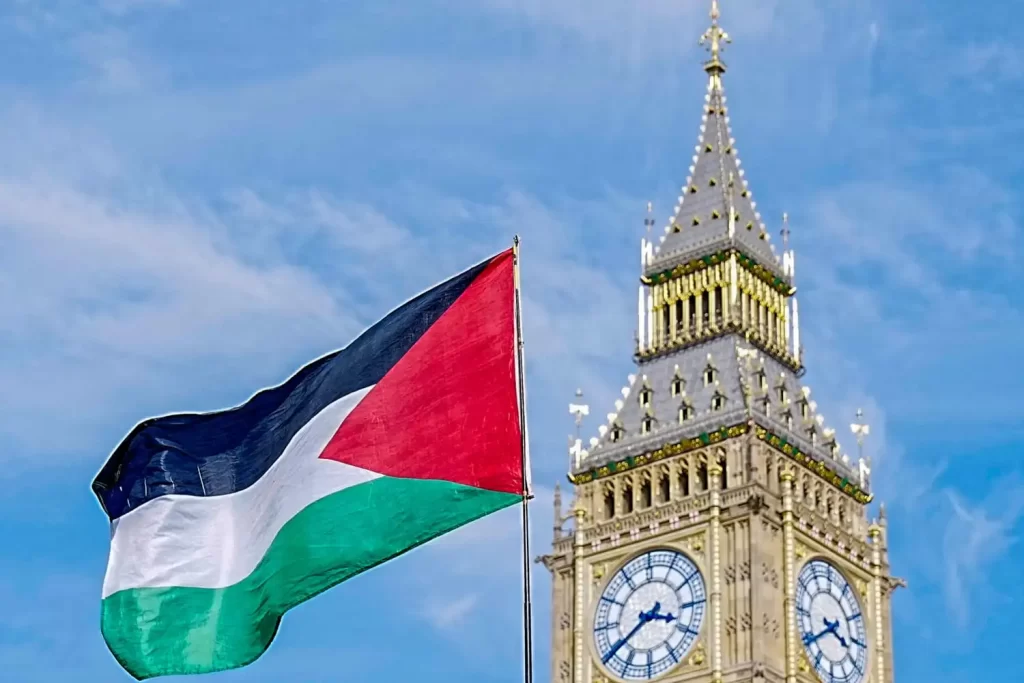
Israel firmly rejected the recent recognition of a Palestinian state by Britain, Australia, and Canada. Officials argued that such steps undermine peace efforts rather than support them. The move has triggered a new wave of debate over whether international recognition promotes peace or entrenches division.
Israeli foreign ministry warns of destabilization
In a statement on X, Israel’s Foreign Ministry said recognition of Palestinian statehood fuels instability. It described unilateral recognition as counterproductive to reconciliation between Israelis and Palestinians.
Officials claimed that the move rewards Hamas, strengthening its influence. They also argued that the Palestinian Authority has failed to meet obligations, pointing to U.S. restrictions on its senior officials. The ministry’s language reflected Israel’s longstanding view that peace must emerge from direct talks, not outside declarations.
Accusations of political motives
The ministry called the recognition decisions “detached from reality.” It suggested they were driven more by domestic politics in Britain, Australia, and Canada than by regional needs.
Israeli diplomats contend that leaders in these countries seek to signal solidarity with pro-Palestinian voters. According to Israel, such decisions risk creating symbolic victories without practical benefits for peace. Officials stressed that these decisions will not advance negotiations. Instead, they warned that they could deepen mistrust and complicate the search for peace.
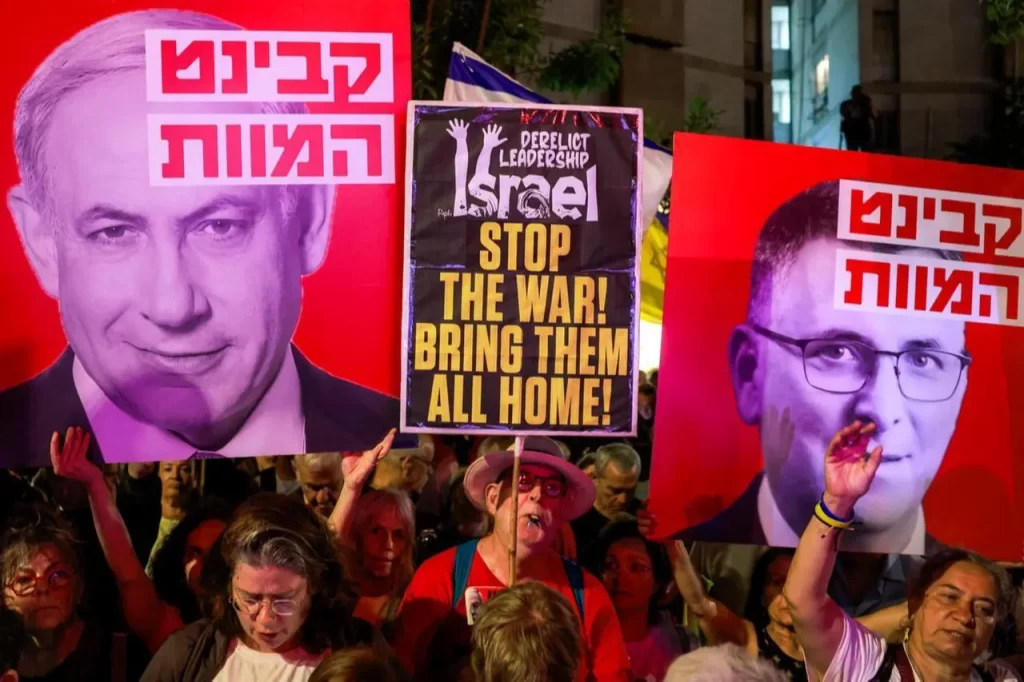
Strong words from foreign minister
Israeli Foreign Minister Gideon Saar went further in a video message on X. He labeled the recognition efforts “immoral, ugly, and unacceptable.” Saar repeated claims that such steps reward Hamas rather than foster peace.
He emphasized that Israel’s future will be decided in Jerusalem, not in foreign capitals. Saar also noted that opposition parties in the recognizing countries have criticized their governments’ decisions. His remarks echo a wider Israeli consensus that unilateral recognition undermines its security concerns.
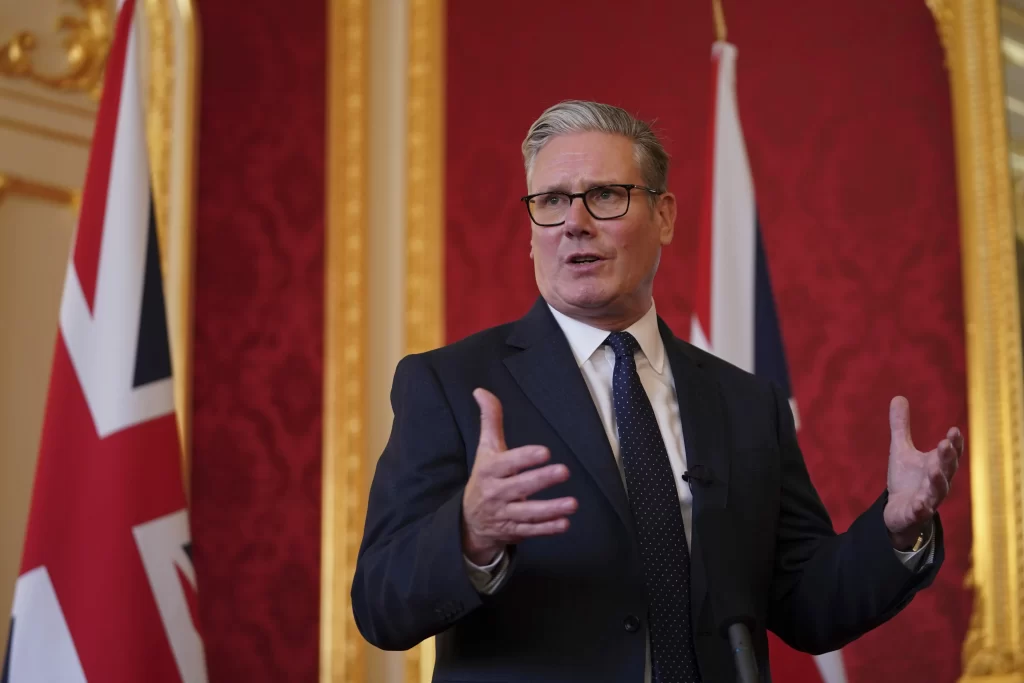
Rising diplomatic tensions
The sharp Israeli reaction underscores rising tensions over Palestinian recognition. Israel views these unilateral decisions as harmful to direct negotiations and a threat to regional stability. Supporters of recognition, however, argue that acknowledging Palestine strengthens the prospects for a two-state solution.
This clash highlights the persistent divide between international actors who seek symbolic gestures and Israel’s insistence on negotiations. As more countries weigh recognition, the issue may increasingly test alliances and reshape regional diplomacy.