
A Turning Point for Turkey
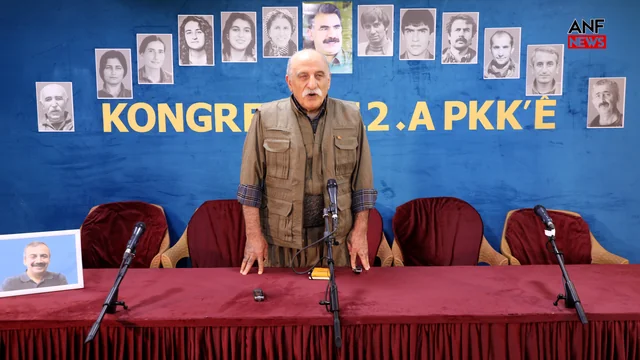
Turkey has reached a historic milestone in its fight against terrorism. The PKK, long recognized as a terrorist group, announced it is disbanding. The decision came after a congress held between May 5 and 7.
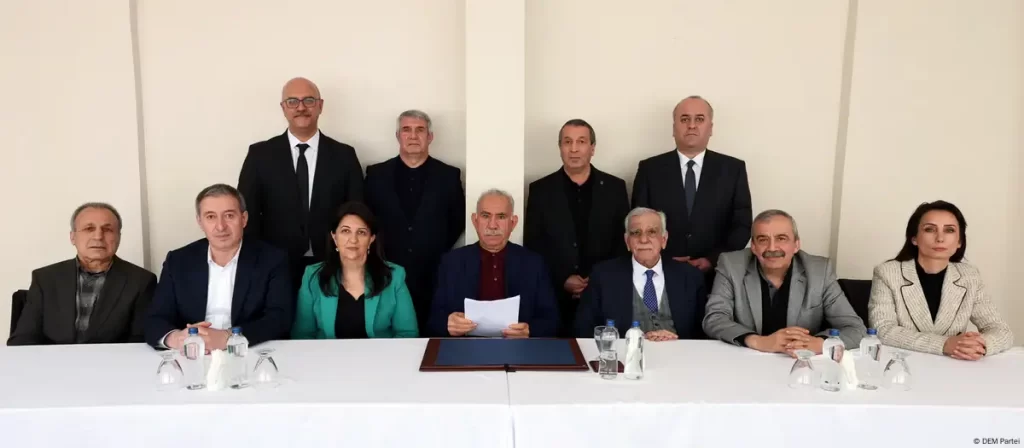
This move followed a February statement by Abdullah Öcalan. The jailed PKK leader called for an end to armed struggle and urged the group to dissolve.
President Recep Tayyip Erdoğan hinted earlier that big news was coming. He said, “Good news may come at any moment.” Shortly after, PKK released a written statement declaring it would end all activities under its name.
Öcalan’s Role and the Disbandment Decision
Öcalan’s February 27 call urged the PKK to adopt democratic methods. He also emphasized that global powers, including the U.S. and the EU, list the PKK as a terror group.
In response, the PKK held an extraordinary 12th Congress. The group decided to dissolve its structure and abandon armed resistance.
According to its statement, the PKK believes it fulfilled its role. It claimed to have raised awareness of the Kurdish issue and shifted the debate toward political solutions.
Historical Context: Lausanne and the 1924 Constitution
The statement cited the 1924 Constitution and the Lausanne Treaty. It described these documents as the roots of policies that denied Kurdish identity.
The group claimed it emerged in reaction to such denial and aimed to resist through armed struggle. However, it now sees a new path forward. That path, it argued, lies in democracy—not violence.
This marks a dramatic shift. It frames the disbandment as the end of an era and the beginning of political engagement.
A Call for Broader Participation in Peace
The PKK’s message extended beyond its own members. It urged the Turkish Grand National Assembly to lead in securing lasting peace. It also demanded legal guarantees and democratic inclusion for all voices—especially Öcalan.
In addition, the group invited civil society, religious communities, academics, women’s and youth organizations, and even environmental activists to support a peaceful transition.
The PKK expressed faith in the Kurdish community. It believes that women and youth can take the lead in building democratic structures, preserving culture, and defending community life.
Political Support and Bahçeli’s Impact
This process began months earlier. In October 2024, MHP leader Devlet Bahçeli issued a surprising appeal. He said the problem was terrorism, not Kurdish identity.
Bahçeli even suggested Öcalan be allowed to speak in Parliament if it would end violence. His remarks marked a shift in political tone.
Öcalan later replied that, under the right conditions, he could help move the conflict from violence to legal and political platforms.
President Erdoğan praised Bahçeli’s approach, signaling high-level political support for a new chapter.