

Turkey is pursuing broader energy cooperation with China.
Turkey is pursuing broader energy cooperation with China. The agenda spans nuclear power, offshore wind, grids, storage, and mining. Officials say the scope could reach beyond Turkey’s borders.
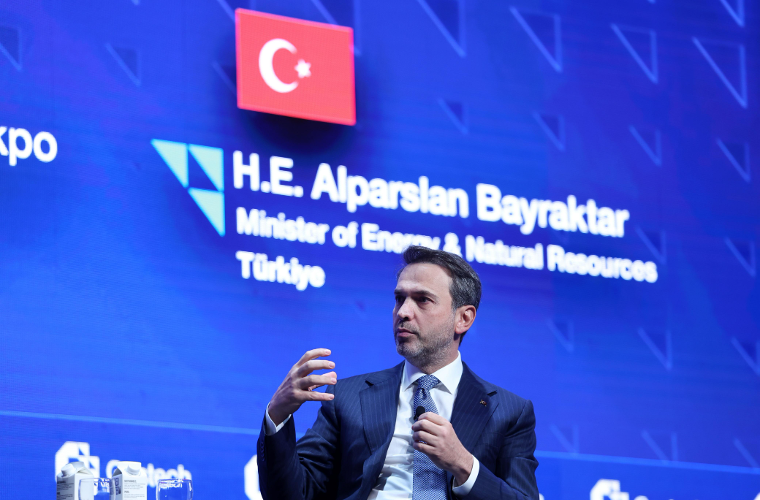
Energy Minister Alparslan Bayraktar outlined the plan in a CGTN Türk interview after August’s Shanghai Cooperation Organization summit. He described talks with senior Chinese counterparts on nuclear, renewables, transmission, and storage. The aim is practical collaboration that supports Turkey’s growth, grid security, and regional links, while offering Chinese partners reliable projects and market access.
A wider energy cooperation map
Bayraktar said Ankara and Beijing could partner across Africa, the Middle East, Central Asia, and the Balkans. He met China’s National Energy Administration chief Wang Hongzhi and National Development and Reform Commission head Zheng Shanjie, alongside company leaders. Areas on the table include offshore wind, where Turkey’s first project could be developed with Chinese firms. The minister stressed that cooperation would match shared interests and long-term investment horizons.
Nuclear vision and a Thrace data hub
Nuclear energy remains a priority. Turkey proposed turning the planned Thrace nuclear site into a world-class, carbon-free energy and data center. The concept integrates nuclear baseload with solar, wind, and battery storage around a hyperscale data campus. Bayraktar said the idea drew strong interest, positioning Thrace as a strategic platform for secure computing, resilient power, and industrial growth.
Grid, minerals, and storage tie-ins
Turkey plans about $30 billion of new transmission lines through 2035 to strengthen the grid and move surplus power toward Europe. Bayraktar noted this aligns with China’s Belt and Road Initiative focus on infrastructure. Cooperation could also cover newly identified rare earth elements, plus joint oil and gas projects. Chinese companies are evaluating battery and storage manufacturing in Turkey, supporting local supply chains and the clean-energy transition.
Why it matters for industry and trade
Bayraktar pitched Turkey as a dependable production base amid global trade tensions. Logistics, skilled suppliers, and regional access create a second hub for manufacturing. He invited investors to build solar panel and wind turbine capacity in Turkey. The approach aims to deepen technology transfer, expand exports, and enhance energy security—while opening new markets for Chinese partners across several regions.