
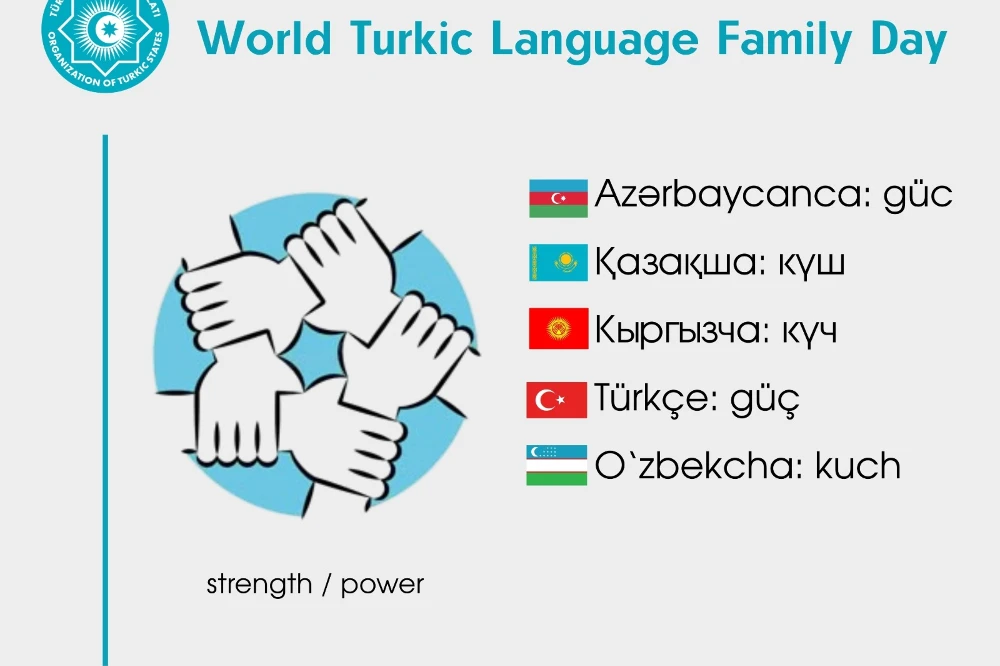
Aleppo University has officially reopened its Turkish Language and Literature Department. This step coincided with the World Day of the Turkic Language Family. As a result, academic and cultural ties between Turkey and Syria gained new momentum. Moreover, the event drew attention to the shared linguistic heritage of the region.
A symbolic reopening in Aleppo
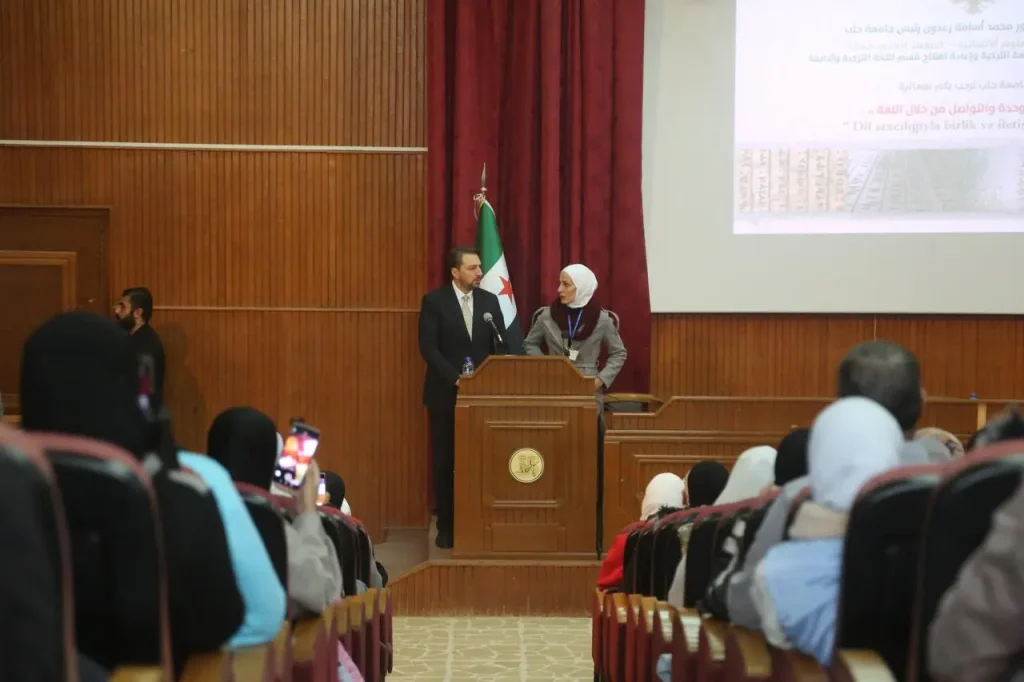
The Faculty of Arts at Aleppo University hosted the ceremony in northern Syria. At the same time, the university marked the World Day of the Turkic Language Family. Turkey’s Consul General in Aleppo, Muammer Hakan Cengiz, attended the event. In addition, the university president, academics, invited guests, and students joined the program.
The speakers highlighted the historical depth of the Turkish language. Therefore, the event emphasized its long-standing interaction with Arabic culture.
Exhibition highlights Turkish language and heritage
As part of the program, organizers opened a comprehensive exhibition. Its main goal was to promote Turkish language and literature. The exhibition traced the origins and historical development of Turkish. Meanwhile, visitors explored books, paintings, traditional objects, and musical instruments. Organizers also displayed selected Ottoman-era artifacts. Thus, the exhibition offered a vivid picture of Turkish cultural life.
Academic and material support from Turkey
Speaking to Anadolu Agency, Consul General Cengiz said Turkey donated new books. These books directly enriched the department’s library. Moreover, he stated that the collection would continue to grow. The new materials aim to reflect the richness of Turkish and its ties with Arabic. Cengiz also noted that Aleppo University may request academic staff from Turkey. However, the university has not submitted an official request yet.
Once a request arrives, Turkey will respond swiftly. Therefore, academic staff support will help restructure the department. In addition, Turkey stands ready to support physical and technical needs. This support may also extend to other faculties at Aleppo University.
Cultural exchange beyond the classroom
Foreign Languages Institute lecturer Munzire Havatimi shared details of the program. She explained that the event introduced Turkish culture from multiple angles. For example, organizers created a Turkish tea corner for guests. They also showcased core grammar books used in Turkish instruction. Finally, visitors toured special sections on Ottoman-era literature and lifestyle. Separate areas highlighted classical and modern Turkish literature. As a result, students showed strong interest throughout the event.