

Central Bank Reserves Jump by $10B
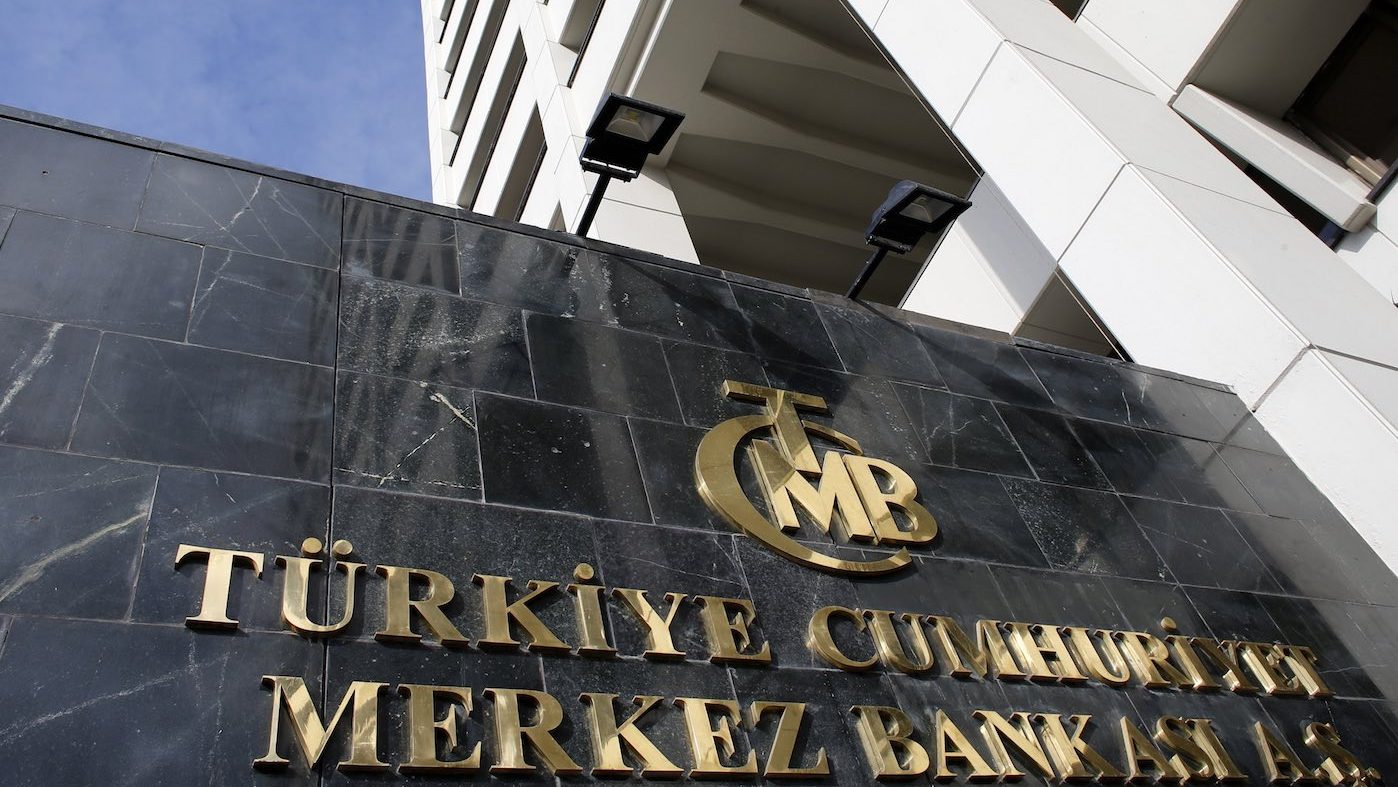
Turkey’s central bank reported a significant $10 billion increase in its total reserves for the week ending July 4. Total holdings reached $164.4 billion, up from $154.4 billion the previous week.
This sharp rise was largely driven by the central bank’s active currency purchases. Gross foreign exchange reserves increased by $8.7 billion to $79.8 billion. Meanwhile, gold reserves also gained $1.3 billion, reaching $84.6 billion, supported by a small uptick in gold prices.
Net international Turkish reserves climbed by $11.1 billion to $57.5 billion. Excluding swap agreements, net reserves grew by $9.7 billion, reaching $38.1 billion—signaling improved financial stability.
Foreign Investors Return to Turkish Bonds
Foreign interest in Turkish government debt surged to its highest level in over a year. Non-resident investors bought $2.38 billion in Turkish bonds—marking the strongest weekly inflow in 14 months.
This increase followed June inflation data showing a rate of 35.05%, which was lower than expected. The better-than-forecast data raised hopes of a potential rate cut in the upcoming July monetary policy meeting, with forecasts ranging from 250 to 350 basis points.
Although foreign purchases of Turkish stocks dipped slightly—from $248 million to $235 million—overall foreign equity holdings rose from $28.6 billion to $31.6 billion. Bond holdings also jumped from $11.9 billion to $14.7 billion.
De-Dollarization Grows in Turkish Banking
Domestically, Turkey’s banking sector reflected a shift in savings behavior. Total deposits dropped by ₺522 billion ($13 billion), reaching ₺23.7 trillion.
The decrease stemmed from a 3.4% decline in Turkish lira deposits and a 1.7% fall in foreign currency accounts. Notably, foreign exchange deposits held by residents shrank by $4.1 billion, after adjusting for exchange rate effects. This trend supports signs of ongoing de-dollarization.
Meanwhile, domestic credit continued to rise. Loans increased by 0.8% to ₺4.6 trillion. Of this, housing loans made up ₺585 billion, personal loans totaled ₺1.73 trillion, and credit card debt reached ₺2.24 trillion.
Economic Outlook: Confidence Builds, Questions Remain
The rise in Turkish reserves and renewed foreign bond interest signals improving market sentiment. However, the central bank’s next move will be critical.
If policymakers opt for a rate cut, it could stimulate further investment—so long as inflation remains under control. For now, investors appear cautiously optimistic about Turkey’s financial direction.