

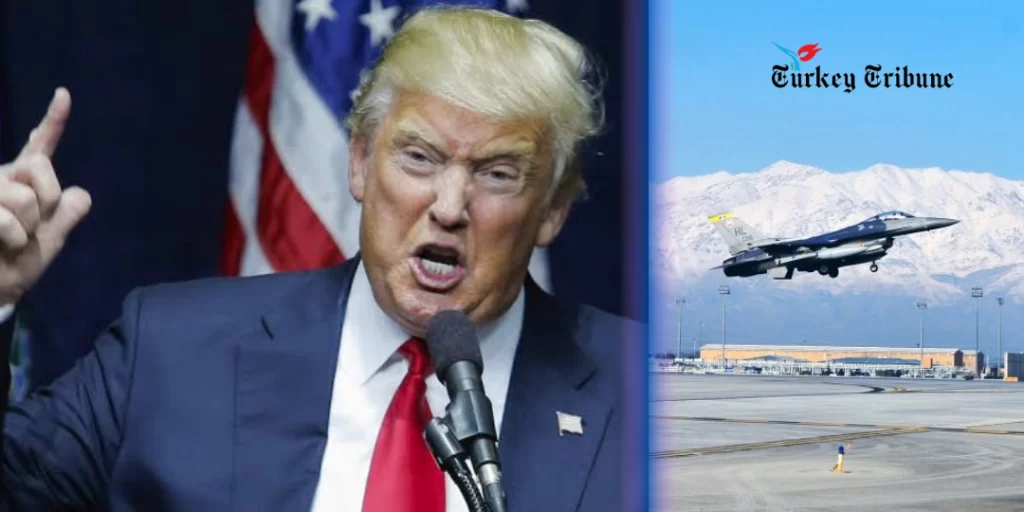
Afghanistan, forgotten by the world for years, returned to the global agenda after US President Trump’s remarks on Bagram Airfield.
During his UK visit, Trump said: “We want Bagram Airfield back. We should never have left it.” Reports revealed that since March, US officials had already discussed the matter with the Taliban.
Doha negotiations and silent commitments
Claims had long circulated in media that, during the Doha talks held for years between the Taliban and the former Ghani government, both sides gave mutual commitments on certain issues, including the control of Bagram.
The Taliban’s silence after Trump’s request adds weight to these claims. Except for a few fighters who declared, “We will not give up an inch of land; we will resume suicide attacks if necessary,” no statement of acceptance or rejection came from the Taliban Foreign Ministry or the government’s spokesperson.
The administration stayed quiet. Meanwhile, countries opposing the US presence, such as Russia and Iran, announced, “The Taliban will not allow the US in.” Many observers believe they spoke either on behalf of the Taliban or simply reflected their own desires.
Did US troops arrive?
At the beginning of this week, the Taliban cut internet and phone services nationwide for 50 hours, isolating the country for two days.
During this blackout, claims arose that nearly 1,000 American soldiers landed at Bagram. Eyewitnesses said large transport planes arrived and reported that nearby villages received urgent evacuation orders.
The timing of these events strengthens the credibility of such claims, although no official confirmation has been given.
What comes next?
If the United States is serious about its demand and determined to return to this base, clarity will come before year’s end.
In the next article, we will examine why Bagram matters not only to America but also to China, Russia, and other powers.