

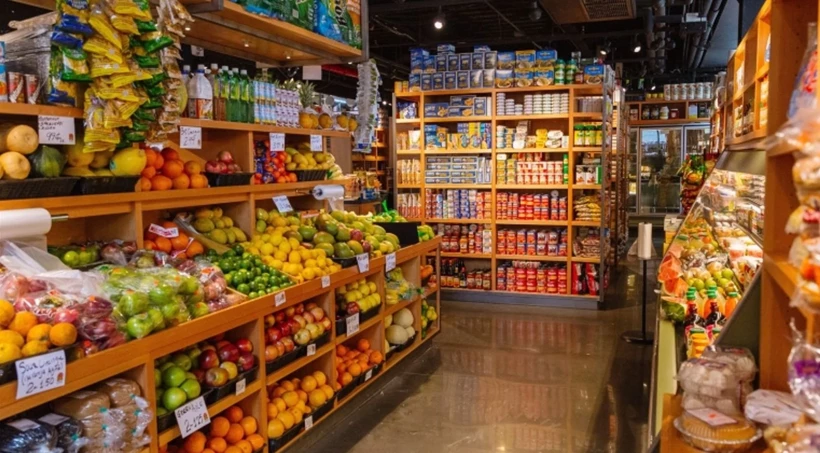
Istanbul grocery costs have become a sharp sign of Turkey’s inflation challenge. A recent online basket comparison found that basic food items in Istanbul can cost more than similar goods in London.
British journalist Lizzie Porter compared 19 essential products from online supermarkets in both cities. Her basket from an upper-segment Istanbul supermarket cost ₺4,425, or about $97.2. A similar London basket cost £44.53, or about $59.35.
A second basket from a more expensive British supermarket still cost less, at £55.81.
Food prices show the pressure on families
Porter’s comparison showed that red meat and instant coffee were key price drivers in Turkey. She also noted that some items, including olive oil, were priced close to UK levels.
However, Istanbul was not more expensive across every product. Eggs, milk, and onions remained cheaper in Turkey than in Britain.
The findings gained attention on X. Many users linked the comparison to a wider concern: the gap between wages and living costs in Turkey.
This concern reflects years of high food inflation. Production costs, transport expenses, import prices, and currency pressures have all shaped supermarket prices.
Istanbul grocery costs rise in dollar terms
The cost pressure is not only visible in lira. It is also becoming clearer in foreign-currency terms.
The Turkish lira has weakened more slowly in recent months than domestic prices have risen. This has supported a real appreciation of the currency.
According to Central Bank of the Republic of Turkey data, the real effective exchange rate rose to 106.3 in April. That marked a 5.8% annual real appreciation.
This matters for households and foreign visitors alike. When local inflation runs faster than currency depreciation, goods can become more expensive in dollar or pound terms.
Inflation remains the main challenge
Turkey’s annual inflation reached 32.4% in April. Monthly consumer prices rose 4.2%, partly due to higher energy costs linked to global price pressures.
Food inflation also increased. Food prices rose 3.7% month-on-month, while annual food inflation reached 34.6%.
In its second inflation report of the year, the CBRT raised its year-end inflation forecast to 26%, up from 18%. The bank cited higher oil prices as one reason for the revision.
CBRT Governor Fatih Karahan said the bank would keep a tight monetary stance. He also signaled continuity in exchange-rate policy.
Why the basket comparison matters
The Istanbul and London comparison does not measure the full cost of living. It also depends on supermarket choice, product brands, and exchange rates.
Still, it captures a real concern for many households. Food is a daily expense, and basic items shape public perceptions of inflation.
For Turkey, the key question is whether tighter policy can slow price growth without weakening household demand too sharply. For consumers, the answer will appear first in the supermarket basket.