

Space is no longer a sandbox for billionaires. As Mars colonization moves from fiction to reality, we must ask who sets the rules. If Muslims land first, the Red Planet might become a laboratory for justice.
This is a hypothetical scenario where the first Martian settlers are guided by Islamic ethics. We examine how principles of stewardship and social welfare could prevent a “Wild West” in space. This shift would impact global space agencies, ethicists, and future pioneers alike.
The Red Planet as a sacred trust
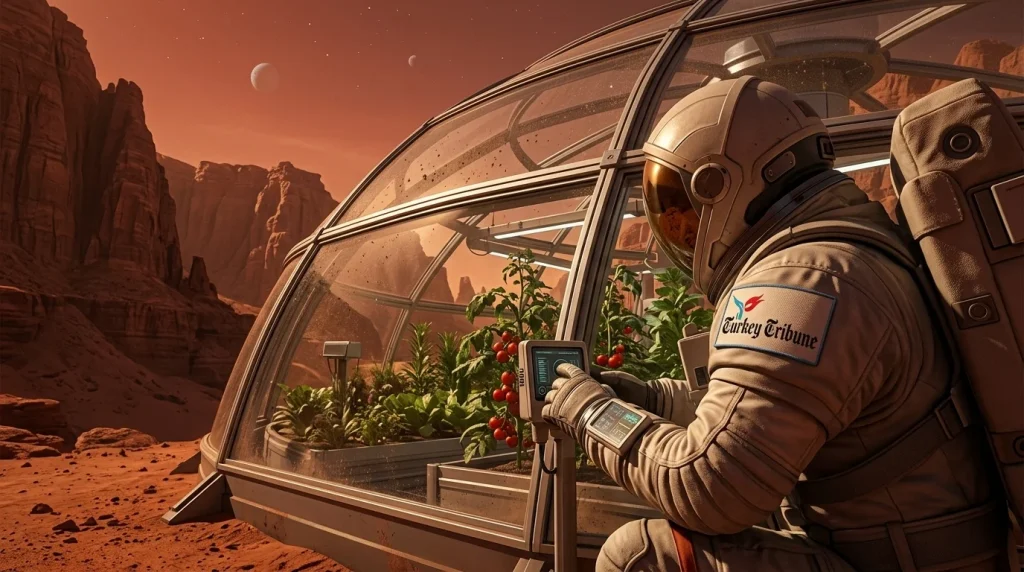
On Earth, the concept of khilafah (stewardship) defines the human role as a trustee of nature. If applied to Mars colonization, this would mean the planet is not “property” to be looted. Settlers would view Martian minerals and ice as a shared trust.
The Turkish Space Agency (TUA) has already set ambitious goals for lunar exploration by 2026-07-15 (TUA, 2024). This growing presence suggests that Muslim-majority nations will soon shape extraterrestrial policy. Under this framework, environmental protection becomes a spiritual duty, not just a legal hurdle.
An interest-free Martian economy
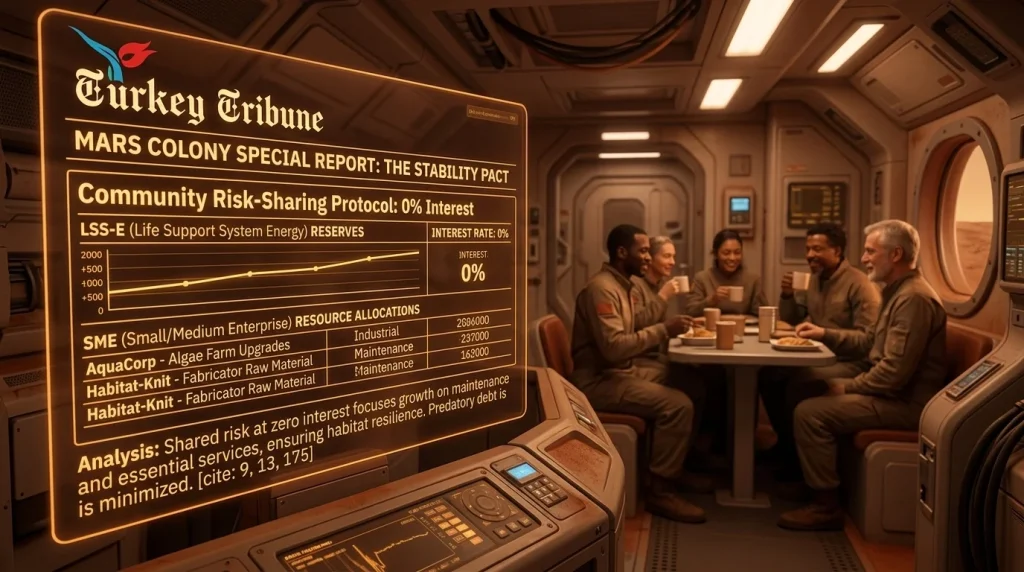
A colony 140 million miles away cannot survive on predatory debt. In this scenario, the Martian economy would likely operate on interest-free finance. This system prioritizes risk-sharing over guaranteed returns for lenders.
Interest-free models protect the community from the “debt traps” that often hinder emerging markets on Earth. On Mars, where a mechanical failure means certain death, capital must flow toward life-support stability. This approach ensures that SMEs and workers are not sacrificed for speculative gains.
Turkestan: Can a Civilization Be Reborn Without Borders?
Space As a Global Waqf (endowment)
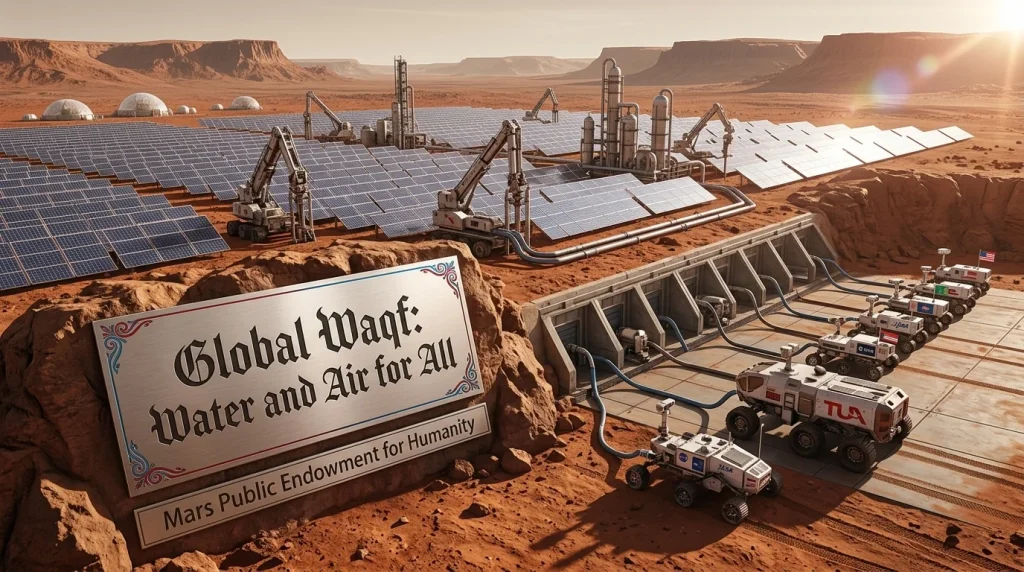
Historically, Islamic civilization used the waqf (endowment) system to provide public services. A Muslim-led mission might declare Mars a global waqf for all of humanity. This would prevent private corporations from “owning” the only breathable air or drinkable water.
Such a move would challenge the current Western-dominated space order. It offers a vision where technology serves the poor as much as the elite. By focusing on balance, these pioneers could turn a cold, dead world into a sanctuary of human dignity.
Bringing faith to the stars is about more than ritual; it is about exported justice. Could the harsh reality of Mars finally force humanity to adopt a truly fair social contract?